How The Tainted Blood Scandal Prompted "Blood Activism"
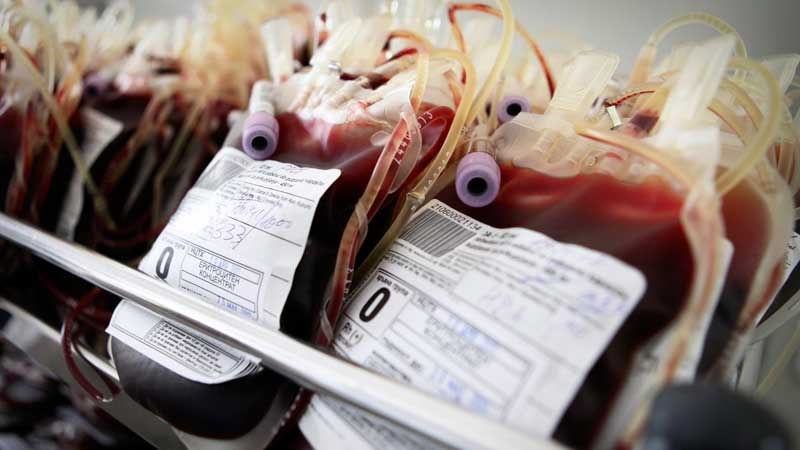
Several years after the first AIDS case was diagnosed in Montreal, another crucial discovery in Canadian HIV/AIDS history prompted the rise of what we now know as “blood activism”. The Canadian blood supply system becoming tainted by HIV is now known as one of the worst public health disasters in Canada, causing thousands of individuals to become infected by HIV and tens of thousands more by Hepatitis-C through utilization blood products. Victims of this tragedy subsequently pursued political action, a movement referred to as “blood activism”, and resulted in transformative policy outcomes, including the prohibition of gay men donating blood. While this revolutionized Canada’s blood collection and distribution system, it also brought upon new controversies in HIV discourses. Unfortunately, the manifestation of this scandal fuelled the fire that is the negative portrayal of the homosexual community. In an article by Rory Crath and Cristian Rangal Paradoxes of an Assimilation Politics: Media Production of Gay Male Belonging in the Canadian ‘Vital Public’ From the Tainted Blood Scandal to the Present, they describe the media coverage concerning the Tainted Blood Scandal, analyzing how that coverage represented gay men as “biological risk subjects, morally responsible subjects and citizen subjects”, and point out how these representations play a role in the compulsory heteronormativity and its relation to the public in Canada. The nature in which the Tainted Blood Scandal was publicized is detrimental to the political history of HIV due to its indisputable role in the development of policy changes to the management of blood supply systems. In reviewing HIV history and the political outcomes that have resulted throughout, it is important to recognize the defamation of gay men that has taken place. Apart from being countlessly referred to as “sexually promiscuous”, gay men are painted as morally and socially irresponsible members of society due to their sexual tendencies and inability to refrain from risky behaviours.
References
Crath, R., & Rangel, C. (2017). Paradoxes of an assimilation politics: Media production of gay male belonging in the Canadian ‘vital public’ from the tainted blood scandal to the present. Culture, Health & Sexuality, 19(7), 796-810. doi:10.1080/13691058.2016.1263873
Orsini, M. (2002). The Politics of Naming, Blaming and Claiming: HIV, Hepatitis C and the Emergence of Blood Activism in Canada. Canadian Journal of Political Science, 35(3), 475-498. doi:10.1017/s0008423902778323